


What’s in your pockets right now? For many people, it’s the everyday essentials — a phone, wallet, keys, and maybe a few tools or personal accessories. For EDC enthusiasts, choosing and carrying these items can become something more: a way to combine everyday usefulness, personal style, and an appreciation for well-designed gear.
From minimalist pocket setups to carefully curated collections of tools and accessories, Everyday Carry (EDC) has grown into a hobby and community built around the items people choose to keep close at hand. Whether you’re here for practical gear, thoughtful design, or the satisfying details of a mechanical fidget, there’s plenty to explore.
In this first part of our EDC Beginner’s Guide, we’ll look at what EDC means, how the hobby has evolved, and where fidget toys fit into the wider world of everyday carry.
1. What Does EDC Mean?
EDC stands for Everyday Carry — the items you regularly carry with you throughout the day for practical use, convenience, or personal enjoyment.
A typical EDC setup might include:
● Everyday essentials: Your phone, wallet, keys, and earbuds.
● Useful tools: A flashlight, pocketknife, or multi-tool.
● Personal accessories: A watch, keychain, or other items that reflect your style.
● EDC fidget toys: Pocket-sized gadgets you carry for their movement, mechanisms, or tactile feedback.
There’s no single right way to build an EDC setup. Some people prefer a minimalist pocket carry with just a few essentials, while others enjoy exploring different materials, designs, and specialized tools. Unlike tools designed primarily for practical tasks, EDC fidget toys focus on movement, tactile feedback, and the enjoyment of interacting with a thoughtfully designed object. For many enthusiasts, they're another way to personalize an everyday carry setup. One of the first fidget toys to capture widespread attention was the fidget spinner.
Image suggestion: An EDC pocket dump showing everyday essentials alongside a fidget toy.
2.What Was Your First EDC Fidget Obsession?
Remember when fidget spinners seemed to be everywhere?
Around 2017, these small spinning toys became a global trend. Their simple design, easy-to-learn movement, and endless variety made them popular with people of different ages. Social media helped turn them into a recognizable part of everyday pop culture.
(陀螺图片)
But the appeal of fidget toys didn’t end with the spinner craze.
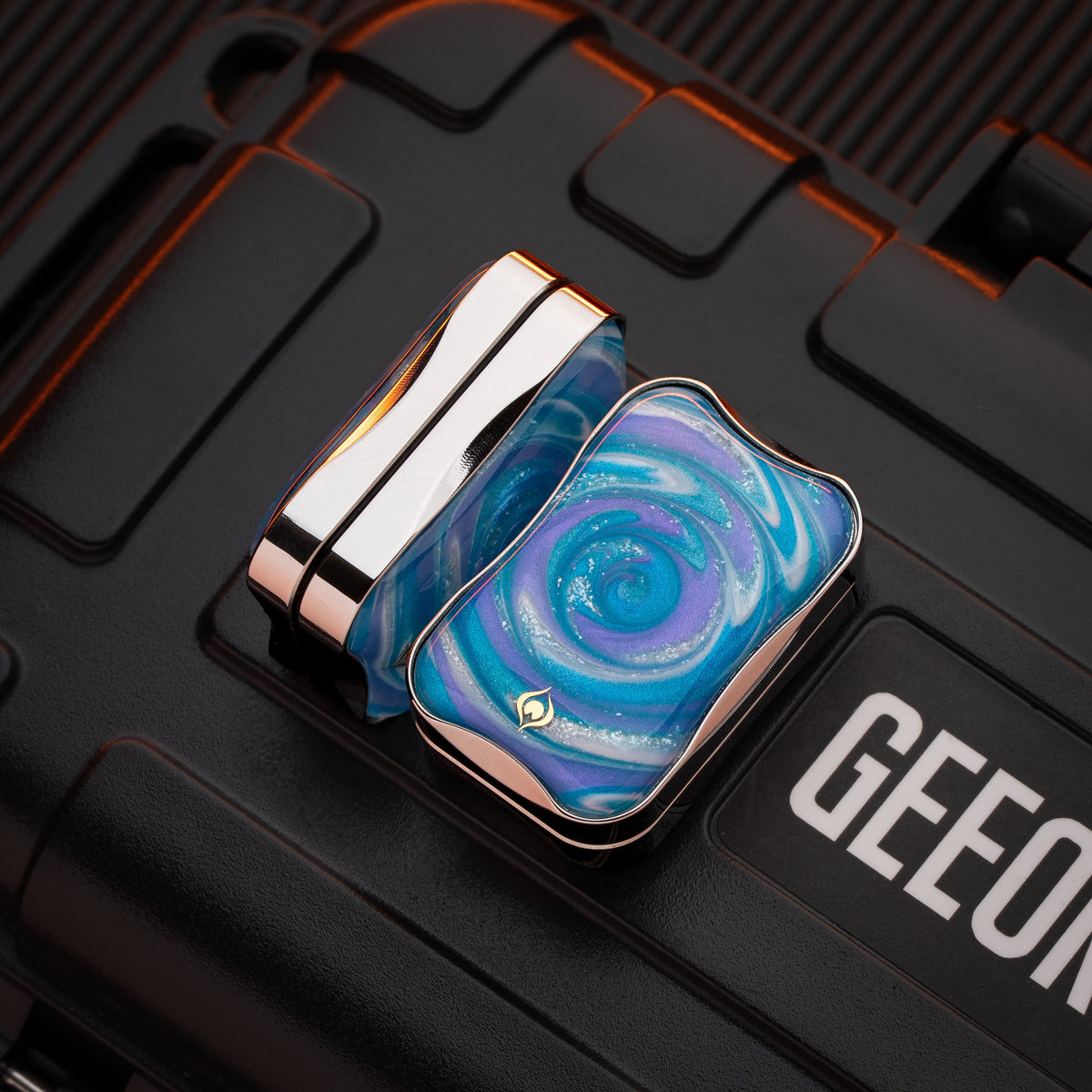
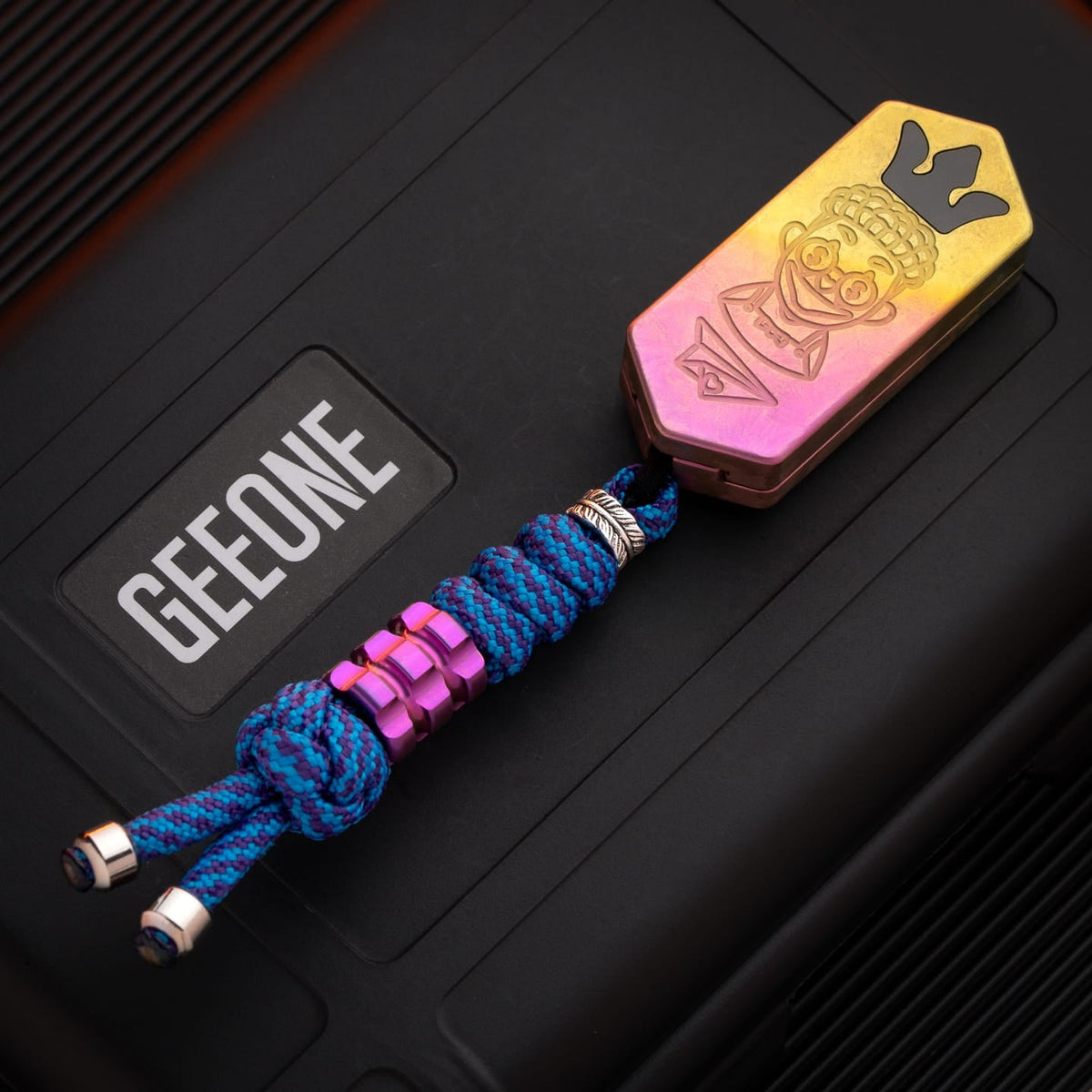
Today, EDC enthusiasts can explore a wider variety of pocket-sized designs, including haptic coins, fidget sliders, and other precision-machined metal toys.
Each offers a different experience, from smooth, continuous movement to crisp mechanical clicks and tactile feedback. If you're curious about the different designs available, explore GEEONE's collection of EDC fidget sliders to see how different mechanisms and designs bring their own character to the hobby.
(插入geeone关于推牌的集合页)
For many players, the appeal goes beyond the action itself. Materials, machining, surface finishes, limited releases, and distinctive designs can all make a piece worth carrying and exploring.
Some people keep one favorite fidget toy in their pocket every day. Others enjoy collecting different designs and comparing how they feel, sound, and move.
So what makes these little gadgets so hard to put down?
3. Why Are EDC Fidget Toys So Hard To Put Down?
There’s no single reason people enjoy EDC fidget toys. For some, it’s the movement. For others, it’s the sound, the weight of a metal fidget toy, or the precision behind its mechanism.
The Feel of the Movement
Small, repetitive movements are part of everyday life. You might tap your foot, click a pen, doodle while listening, or turn an object over in your hand without even noticing. EDC fidget toys offer another way to explore these movements. A spinner creates continuous motion, a slider offers a satisfying back-and-forth action, and a haptic coin provides compact tactile feedback. Discovering which movements you enjoy is part of the fun.
The Details Behind the Design
For enthusiasts, the details can be just as appealing as the movement itself. Precision machining, carefully finished edges, distinctive textures, and material choices all contribute to a toy's character. Stainless steel can offer a substantial feel, titanium provides a lighter alternative, and zirconium is valued for its distinctive finishes. Even when two pieces share a similar design, their materials and finishing can make them feel different in the hand.
A Personal Experience
Some people enjoy using fidget toys while working, listening to music, or thinking through an idea. Others simply appreciate the tactile experience without expecting it to improve concentration or reduce stress. The experience varies from person to person. A mechanism that feels satisfying to one enthusiast might feel distracting or uninteresting to another. That’s part of what makes exploring EDC fidget toys enjoyable: there’s no universal best design. It’s about finding the movements, materials, and mechanisms you personally like.
4. EDC Beginner FAQ
Q1: Can EDC Fidget Toys Help with ADHD?
A: Some people find fidget toys helpful as a way to keep their hands occupied, but the experience varies from person to person. EDC fidget toys are not a treatment for ADHD or autism, nor should they replace professional care. If you're looking for support with ADHD-related symptoms or other health concerns, consult a qualified healthcare professional.
Q2: Why Are Some EDC Toys So Expensive?
A: Many premium metal fidgets use CNC machining to achieve precise shapes and intricate details. Complex designs and small production runs can require more machining time, while premium materials, surface finishing, assembly, and quality control add to the cost. The precision of moving parts can also affect a fidget’s feel and performance. However, a higher price doesn’t always mean better quality. Consider the materials, craftsmanship, mechanism, and overall experience to find the right piece for your budget.
Q3: What’s the Difference Between Stainless Steel, Titanium, and Zirconium? Why Do Their Prices Vary So Much?
A: Different materials don’t necessarily change how an EDC toy works, but they can make a difference in its weight, feel, finish, and sound. Think of it like your favorite video game character: the character stays the same, but a premium skin can make the experience feel different.
5. What Makes EDC So Enjoyable?
The fun of EDC goes beyond cool designs and premium materials. It’s in the smooth spin, the crisp click, and the satisfying feedback of every movement. These little details bring small moments of enjoyment to everyday life, offering something familiar and satisfying in the middle of a busy, unpredictable day. Everyone has their own reasons for loving EDC. Maybe it’s the feel of a well-made mechanism, the sound of a satisfying click, or simply having a little something in your pocket that makes you smile.
What does your everyday carry look like? Are you more interested in practical gear, mechanical fidgets, or a mix of both? Share your setup and tell us what makes it yours.
Follow GEEONE for more EDC knowledge, product deep dives, hands-on reviews, and ideas for exploring the hobby.

Leave a comment
This site is protected by hCaptcha and the hCaptcha Privacy Policy and Terms of Service apply.